
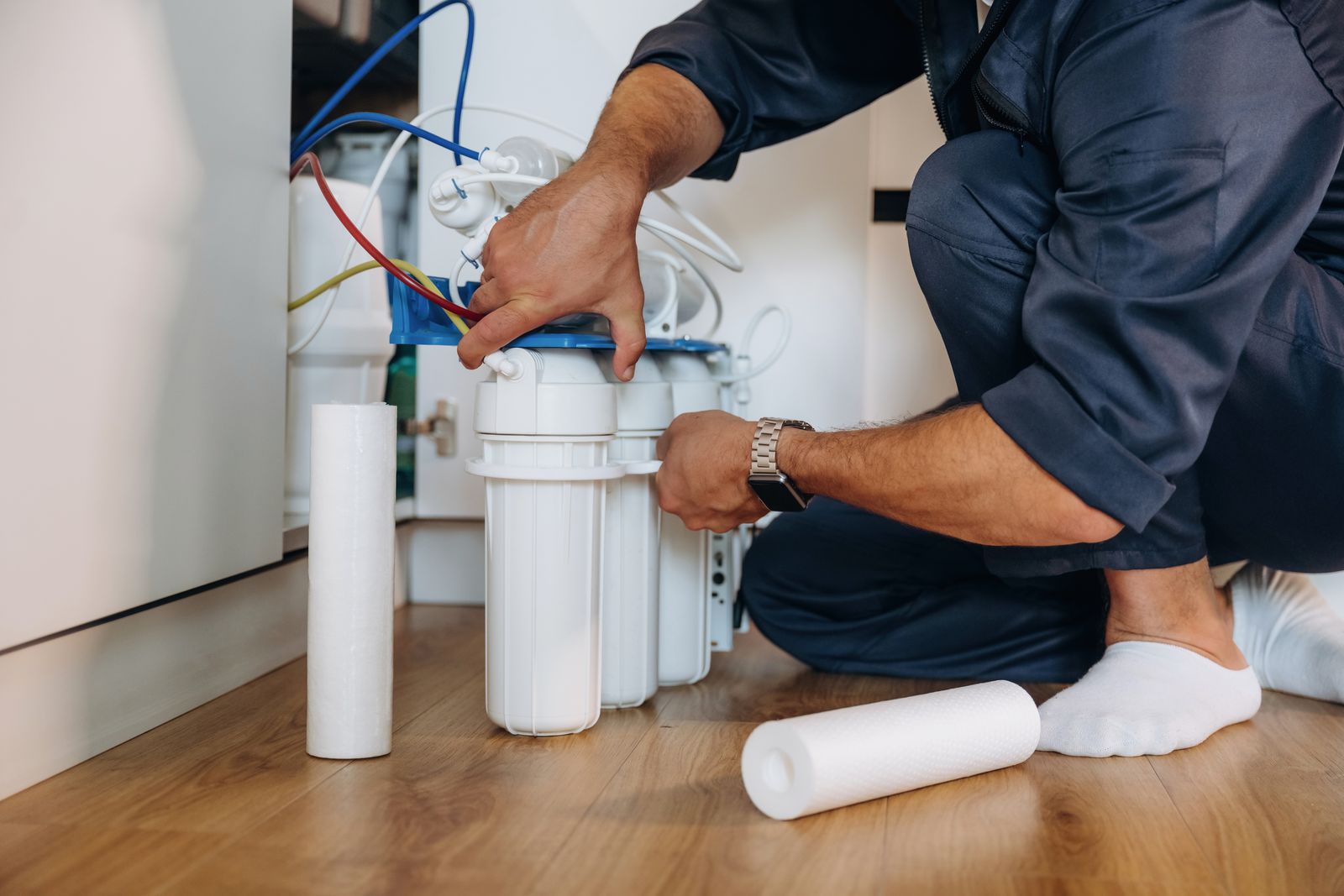
Water Softener Repair in Clinton
Full diagnosis and repair for softeners that stopped softening, won't regenerate, or are running constantly — most fixed in one visit.
Learn MoreClinton shares the same Weber Basin regional water system as the rest of Davis County, testing at roughly 15–20 grains per gallon of hardness.
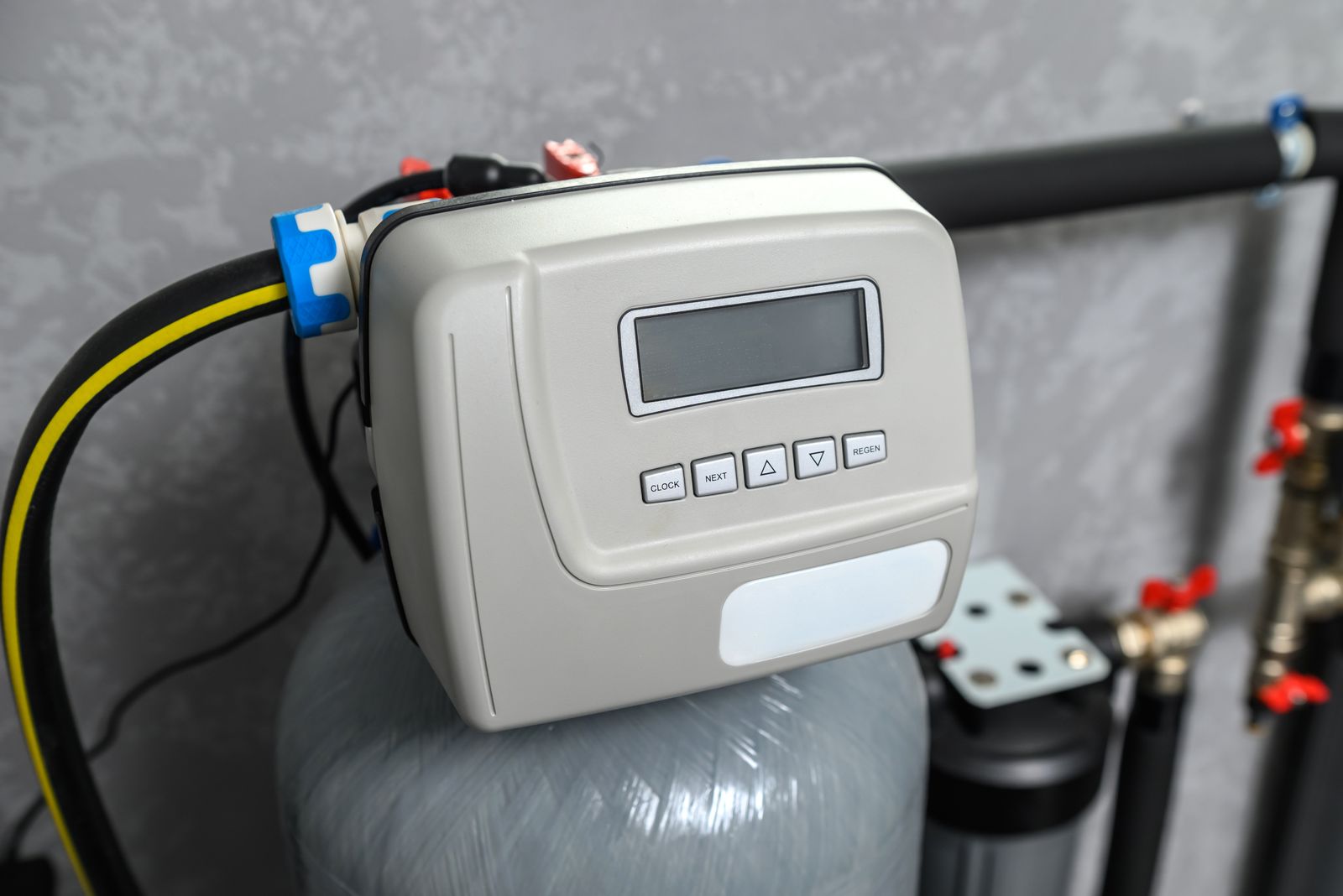
Clinton grew rapidly as a Davis County suburb in the decades after 2000, so most of the city's housing stock is relatively recent construction — which means softener problems here are less about old supply-line quirks and more about builder-grade units that were never sized correctly for the area's actual water hardness.
Whether you're near Sun Hills Golf Course or closer to the Farmington Bay area, the same Weber Basin hard water is at work — steadily fouling resin and stressing valve components in a softener that isn't maintained regularly.
Any of these six warning signs mean it's time to call a technician rather than keep running the unit:
Soap won't lather, dishes spot, laundry feels stiff — even though the unit is still running. Usually resin fouling, a lost program, or a salt bridge.
The tank looks full but nothing is dissolving into the water below — almost always a salt bridge sitting above the waterline.
A hardened crust that blocks salt from dissolving, usually from the wrong salt type or humidity — the most common single cause we see.
A stuck regeneration cycle wastes water continuously and points to a control valve problem — worth calling about quickly.
The unit isn't recharging its resin on schedule — often a lost control-valve program or a worn valve component.
Usually a bypass valve seal, drain line connection, or — less commonly — a cracked resin tank. Left alone, it can damage the floor underneath.
The brine tank should stay at least a third full. If it's low, add softener-grade pellet or nugget salt — never rock salt, which dissolves unevenly and contributes to bridging.
If the salt looks like a solid crust rather than loose pellets, gently press down with a broom handle from the top — never a sharp or metal tool, which can crack the tank — to break it free from the sides.
Most control valves have a manual regenerate button or dial. Running one manually can clear a stuck cycle — if the unit still isn't producing soft water afterward, it's time to call a technician.
Tell us what's happening — hard water, a stuck cycle, or a leak — and we'll give you a same-day or next-day appointment window.
A technician tests your actual water hardness at the tap and inspects the valve, resin, and brine tank before recommending anything.
You get a clear price before any work begins — repair or new unit installation, no surprise add-ons after the fact.
Most repairs and standard installations are completed in a single visit, using a properly sized unit when replacement is the better option.
Every unit is tested through a full cycle and re-checked for hardness before we consider the job finished, with a quick walkthrough of what to watch for.
Full diagnosis and repair for softeners that stopped softening, won't regenerate, or are running constantly — most fixed in one visit.
Learn More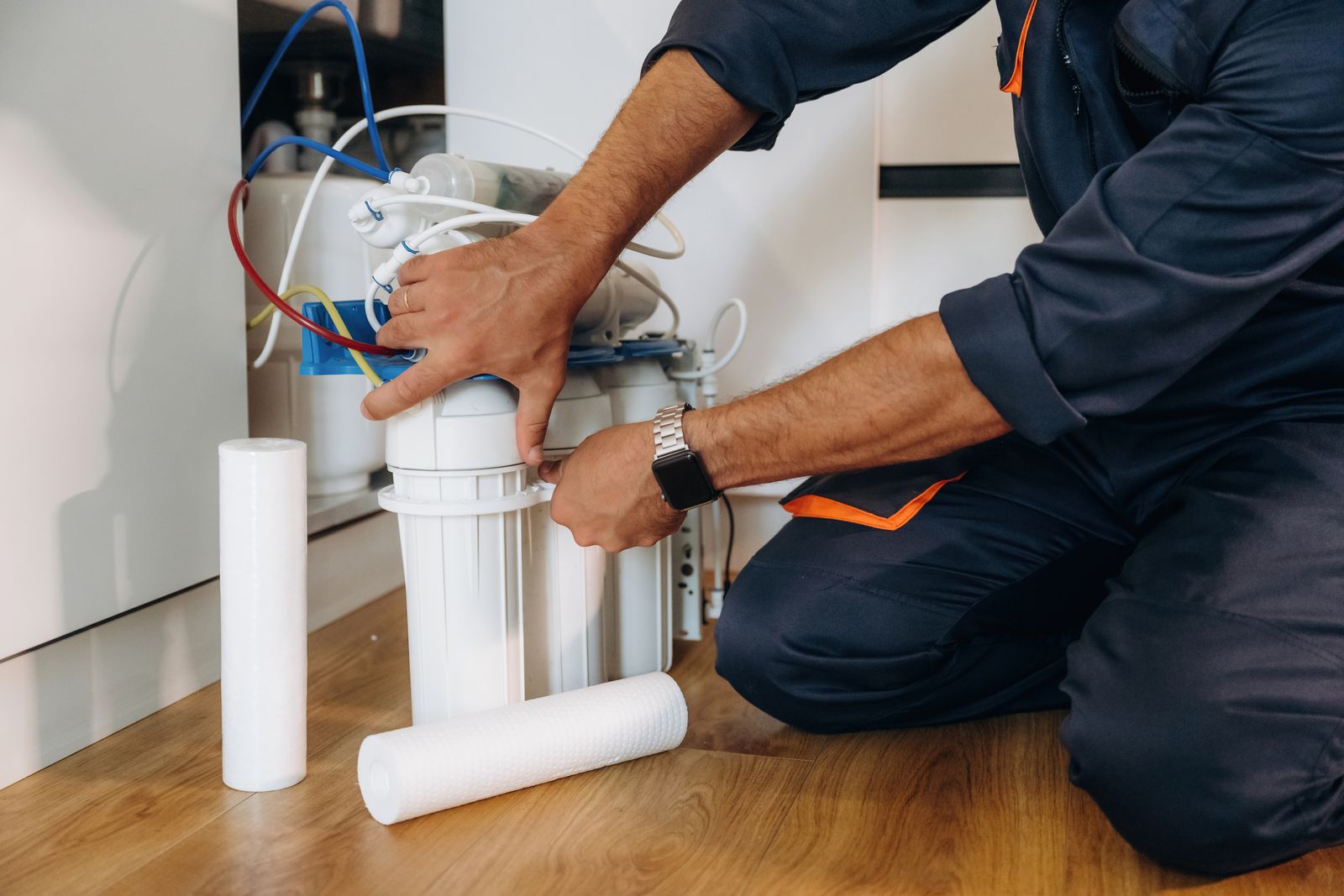
New softener installed and properly sized to your household's water usage, plumbed into your existing supply line with a full test run.
Learn More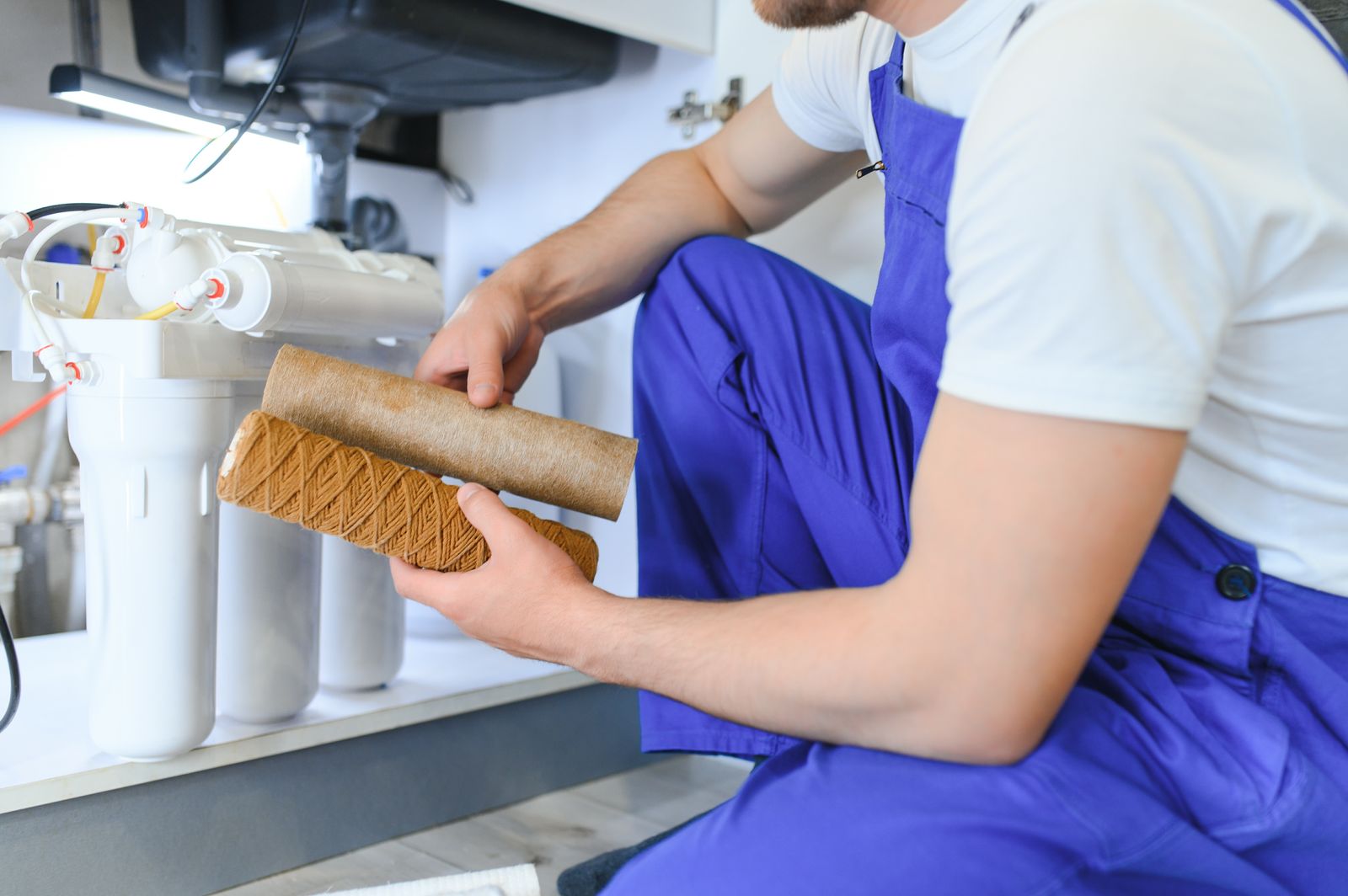
Swapping out an old, corroded, or undersized unit for a properly sized replacement — matched to your household, not just the cheapest option.
Learn More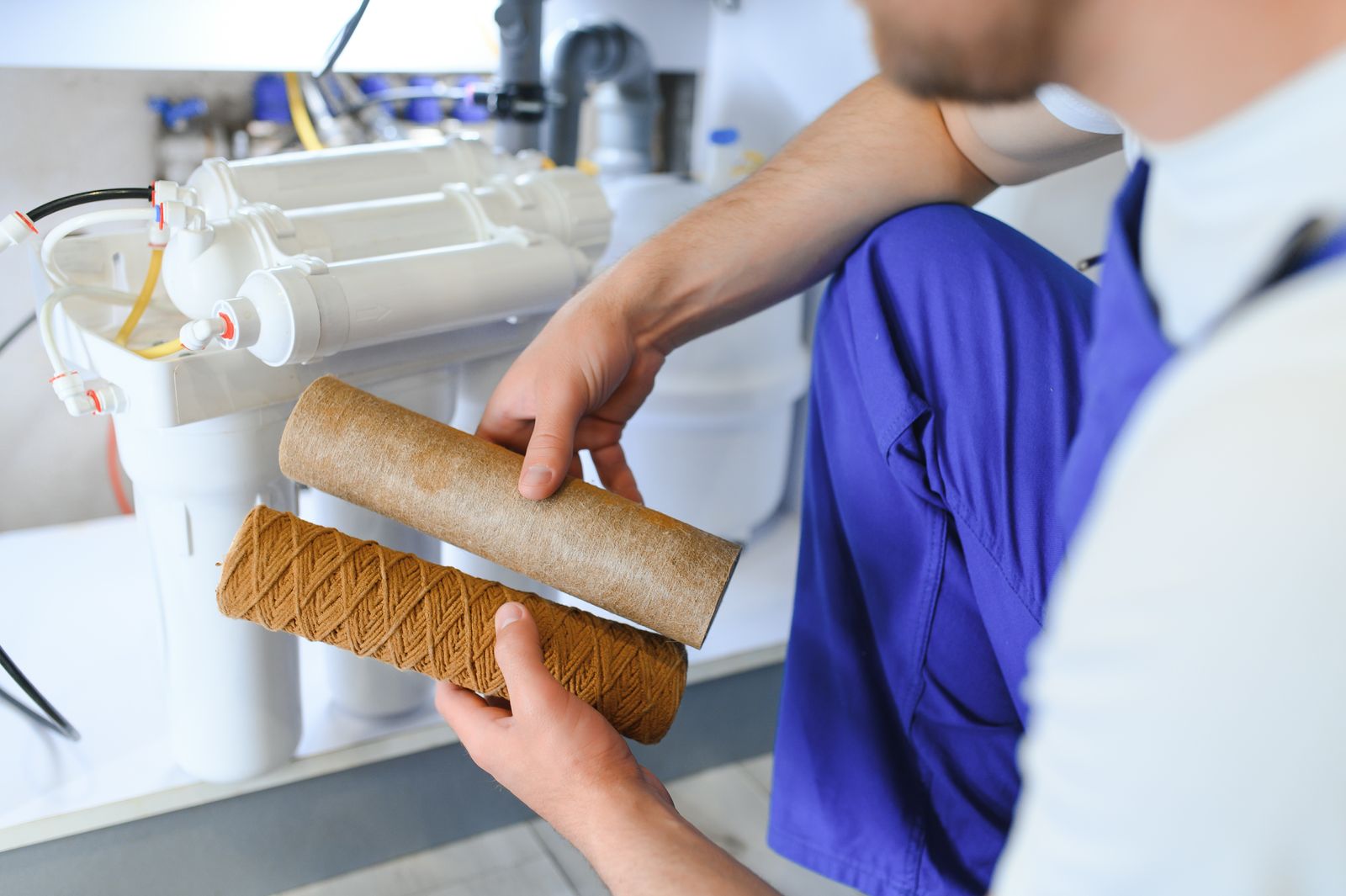
Clearing salt bridges, fixing units that aren't using salt, and resolving high water levels in the brine tank so regeneration actually works again.
Learn More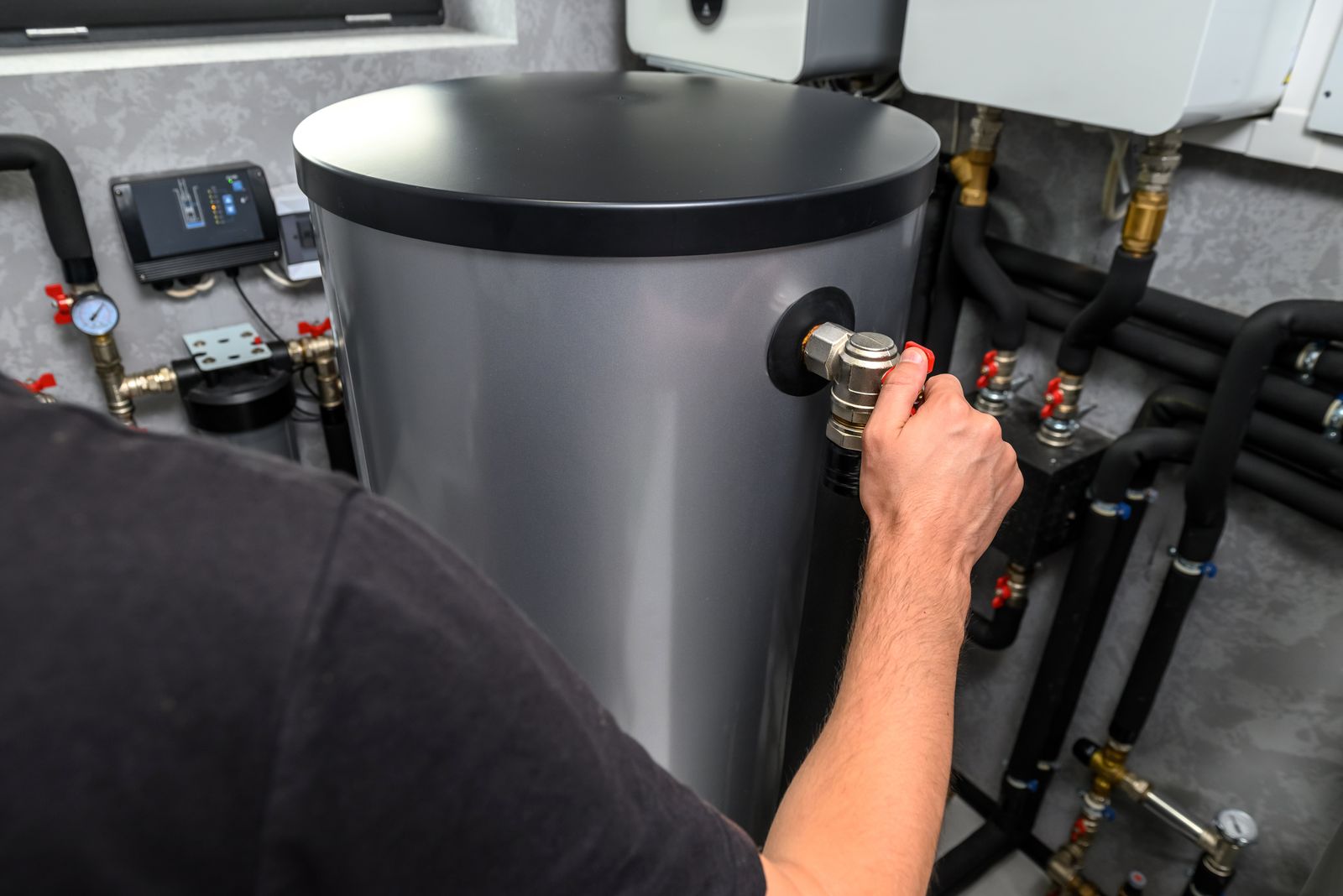
Fixing control valves and failed regeneration cycles — including units stuck mid-cycle or running continuously and wasting water.
Learn More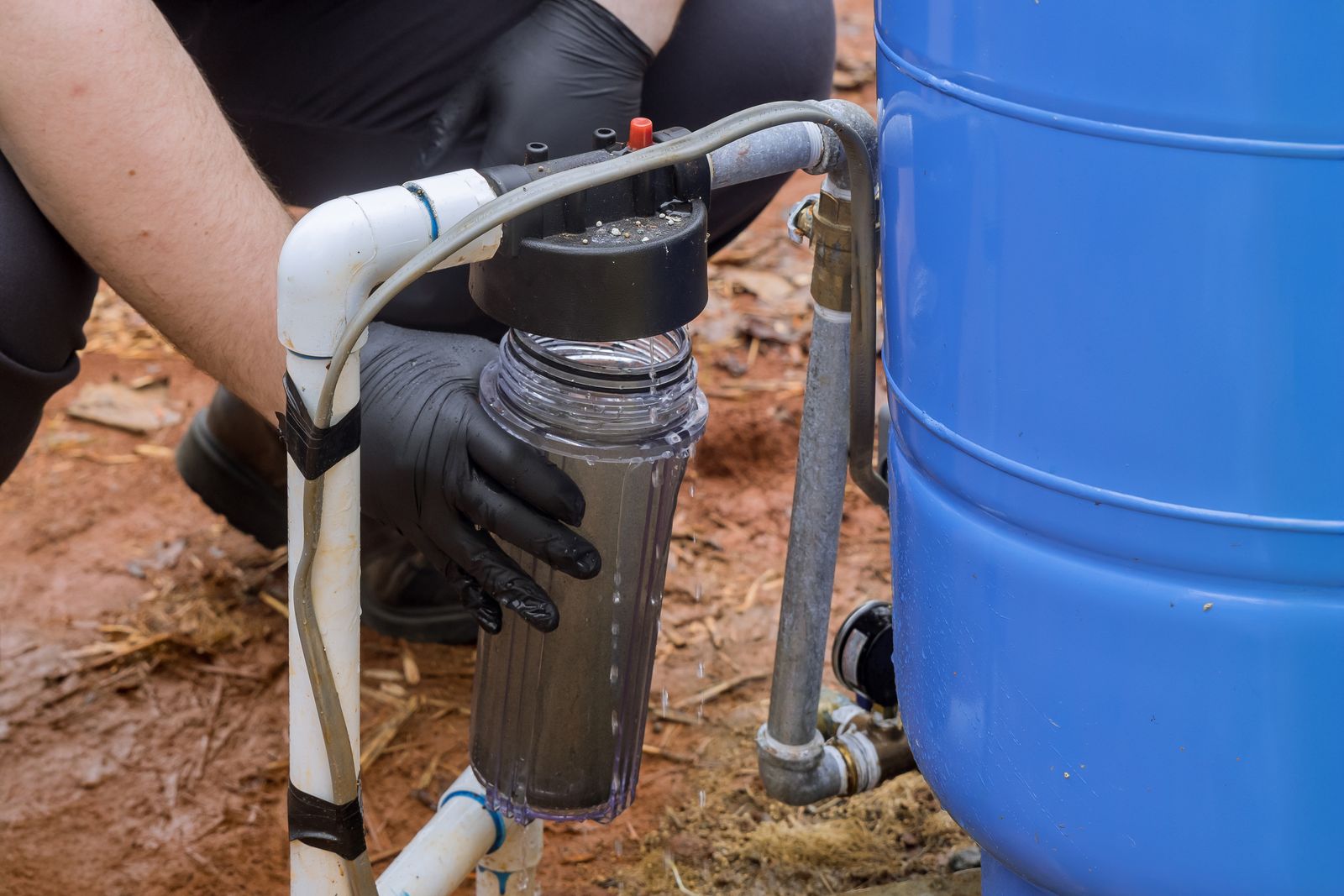
Diagnosing fouled or worn resin and softener-caused low water pressure, with recharge or resin replacement when the bed has lost capacity.
Learn More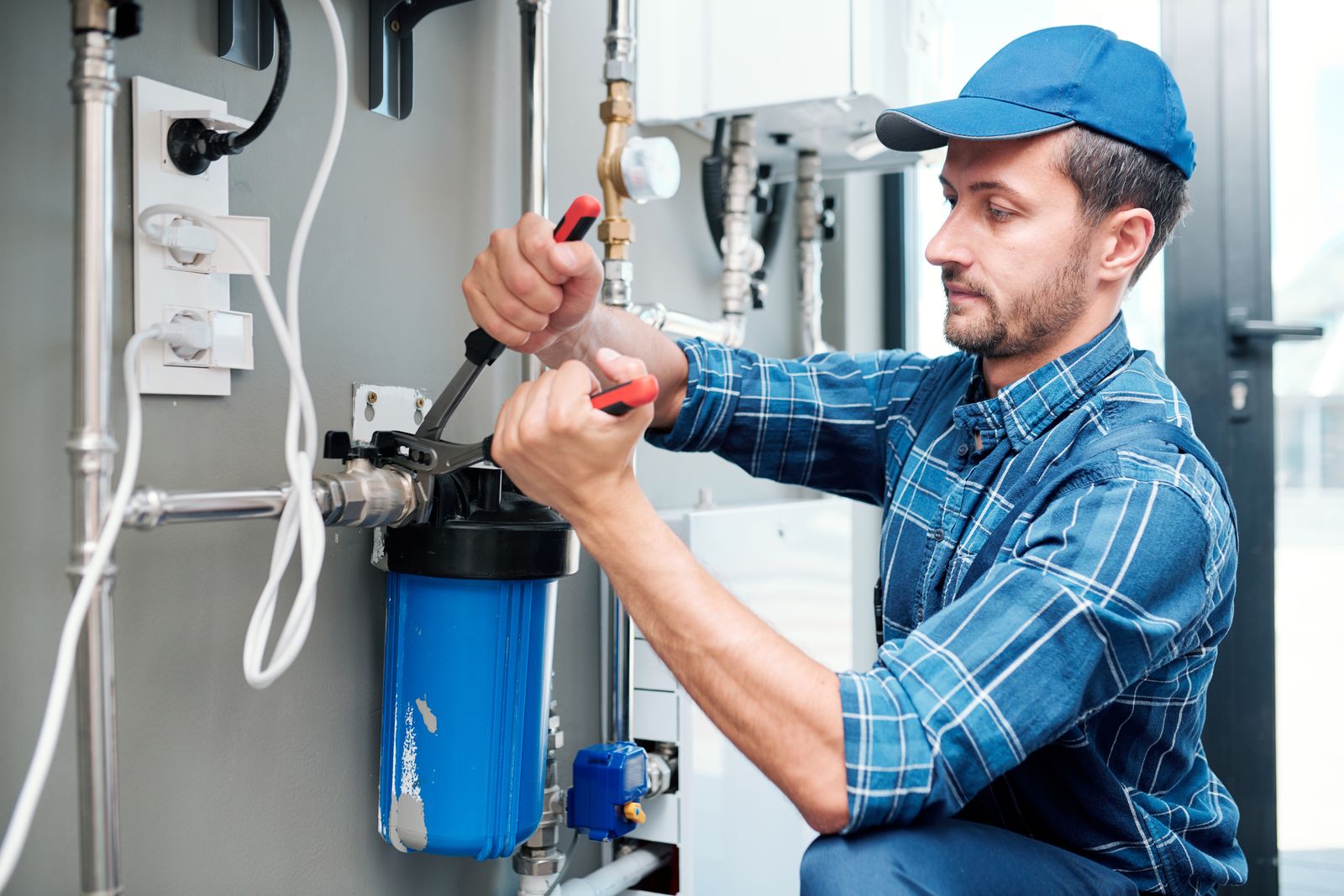
Locating and sealing leaks at the bypass valve, drain line, brine tank overflow, or resin tank fittings before they damage the floor underneath.
Learn More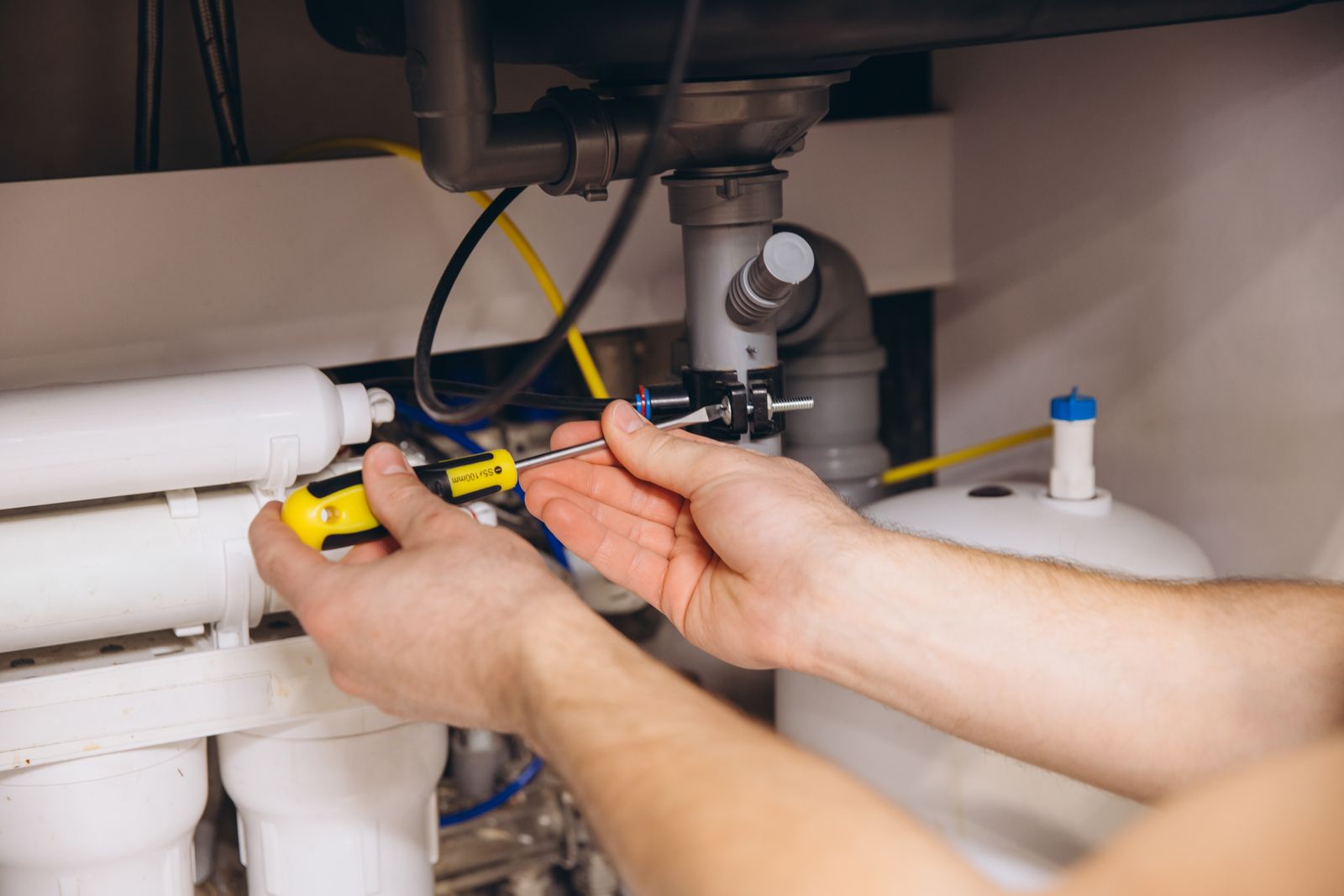
A softener stuck running or leaking doesn't wait for business hours — same-day and after-hours appointments are available every day, 24/7.
Learn MoreClinton draws from the same Weber Basin regional water system as the rest of Davis County, carrying heavy calcium and magnesium content typical of the Great Salt Lake basin — commonly tested at 15 to 20 grains per gallon or higher. That mineral load places steady strain on a softener's resin bed and valve, which is why units here tend to need service sooner than in cities with softer municipal water.
Most softener repairs cost far less than a full replacement — we'll always tell you honestly which one makes more sense for your unit's age and condition.
| Service | Typical Price | What Affects It |
|---|---|---|
| Diagnostic visit / minor repair (salt bridge, bypass valve) | $89–$175 | Most single-visit repair calls |
| Control valve repair or rebuild | $150–$400 | Depends on whether it's a seal/program fix or a full valve rebuild |
| Resin tank recharge or replacement | $200–$450 | Varies by tank size and whether the bed needs full replacement |
| Brine tank, float, or injector repair | $120–$250 | Common after a salt bridge or high-water symptom |
| Leak repair | $100–$300 | Depends on whether it's a fitting/seal or the tank body itself |
| Full system replacement (unit + installation) | $900–$2,500 | Varies by household size, water hardness, and iron content |
Ranges are estimates for typical jobs in Clinton. Final pricing is confirmed on-site before work begins.
We serve homes throughout Clinton — including areas near Sun Hills Golf Course, and Farmington Bay area.
We also serve homeowners near Clearfield, UT, Syracuse, UT, and West Point, UT.
Builder-installed softener from when the house was new was never sized right for our family. Replaced with a properly sized unit after he actually tested our water instead of guessing.
Salt bridge again for the third time this year. He explained it's partly the salt type we were using and partly humidity in our utility closet — fixed both issues.
Emergency call on a Sunday for a leak under the unit. Showed up within a few hours, fixed a failed O-ring, didn't charge extra for the weekend.
Clinton draws from the Weber Basin regional system shared across Davis County, commonly tested at 15-20+ grains per gallon — hard enough to accelerate resin fouling and valve wear if a unit isn't sized correctly.
Same-day appointments are available throughout Clinton, based on availability the day you call — we're reachable 24/7.
Not always — since much of Clinton is newer construction, we sometimes find builder-grade units that were never actually sized to the area's real water hardness, which shows up as a unit that regenerates too often or too rarely.
The most common causes are a salt bridge blocking salt from dissolving, a control valve that's lost its regeneration program, or resin that's fouled from years of iron exposure. We test your water and inspect the unit to confirm which one it actually is.
Most repair visits run $89–$400 depending on the issue, while full replacement typically runs $900–$2,500 including installation. We provide a firm price before any work begins.
If the unit is under about 10 years old and the problem is a valve, injector, or brine tank issue, repair is usually the cheaper option. If the resin has lost capacity repeatedly or the tank itself is cracked, replacement is typically the better long-term value — we'll give you an honest comparison on-site.
Open 24 Hours a Day, 7 Days a Week
Same-day and after-hours appointments available across Clinton, 24/7 — call now to get on the schedule.